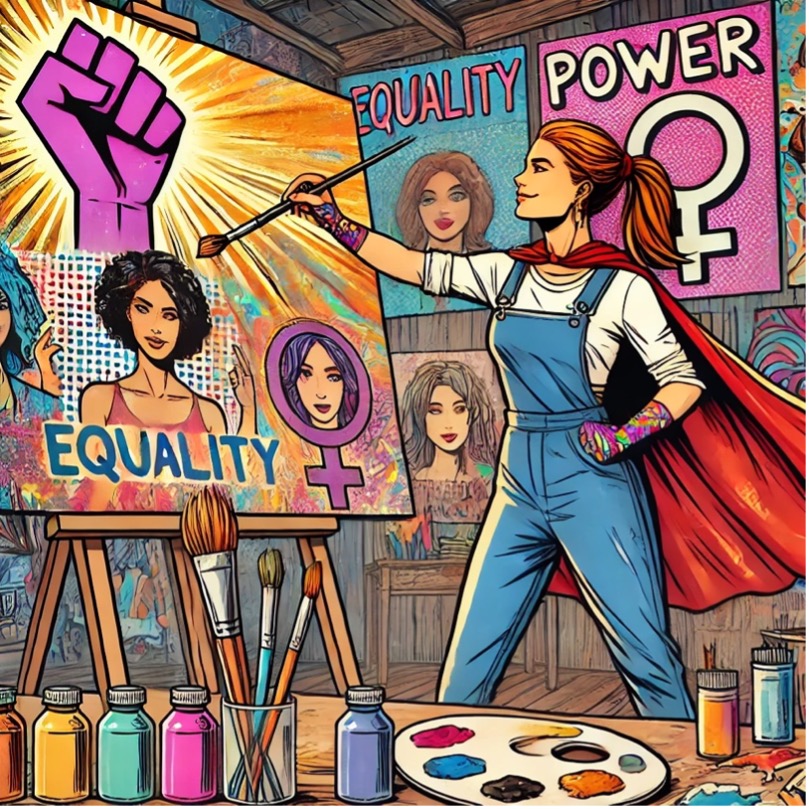
Shall we start with a quiz? Yes, I think so.
Which of the following statements about the Feminist Art Movement is true?
A. The movement began in the late 19th century as part of the Industrial Revolution.
B. It focuses solely on traditional art forms like painting and sculpture.
C. The movement seeks to challenge gender stereotypes and advocate for equality in the art world.
D. It was primarily a European phenomenon, with little impact in other parts of the world.
If you guessed C, you are correct. Let’s get a coffee and discuss art!
In my latest blog posts, I discussed specific female artists, their struggles, and the history of female artists. Today we’re going unpack an historical artistic movement that changed the landscape of art, increased women’s impact on the art world, and led to the emergence of new types of work: the Feminist Art Movement. This movement spanned the1960’s and 1970’s as a direct response to the lack of representation and the inequality of women in the art world and honestly in the world over.
That’s a lot to take on, so let’s break the Feminist Art Movement into bite size chunks.
- History & “The Why”
- Featured Artists
- Social Impact
- Critique
- Now & The Future
History & “The Why”
“Art that seeks to challenge the dominance of men in both art and society, to gain recognition and equality for women artists, and question assumptions about womanhood”.
Modern Museum of Art (MOMA)
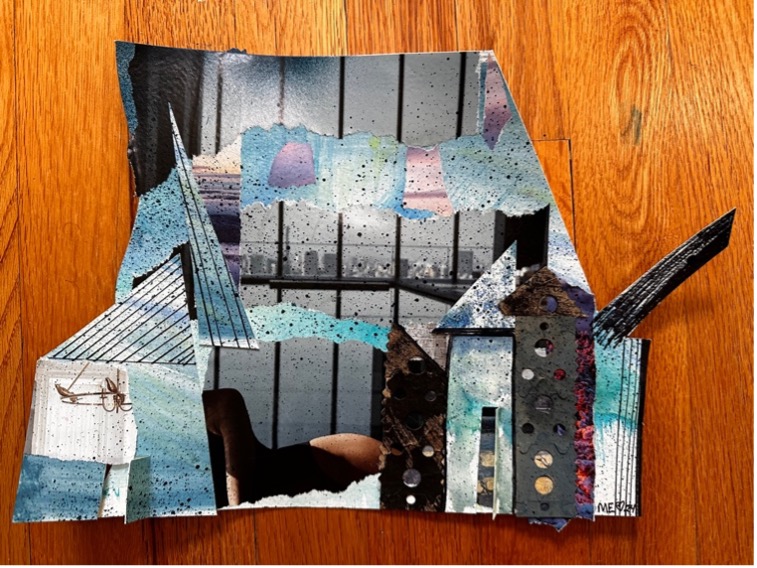
The Feminist Art Movement began as a way for women to use their artistic voices to provide a female perspective on issues that they felt were important such as gender, social and political inequality, and aesthetics. Their main goal was to highlight the underrepresentation of female artists. It began in the United States and United Kingdom at the height of the second wave of feminism in the early 1960’s. It spread globally such as through Mexico and South America where women were having similar conversations, and it is still relevant today.
Shared experiences and difficult conversations started the movement, changing how audiences experience art by providing a lens focused by female experience. The Art Story does a great job of summarizing the many ways the movement influenced art, its key ideas, a timeline of the impact, and the ongoing shift in society and the arts that it started. Key areas are:
- Creating spaces and new opportunities.
- Inclusion of female experience.
- Visibility
- New and Alternative Materials
- Connecting women’s voices from around the world.
- Creating dialogue around gender, sexuality, race, and overall identity
These continue to influence the contemporary art world and how women navigate through it. While there are now additional new opportunities and women are invited into more spaces, the disparity between male and female artists persists, especially financially and representationally.
“Before feminism, many women artists were invisible to the public eye. They were oftentimes denied exhibitions and gallery representation based on the sole fact of their gender. The art world was largely known, or promoted as, a boy’s club, of which sects like the hard drinking, womanizing members of Abstract Expressionism were glamorized”. —Bihamaal
A terrific article by Baemisaal—Bihamaal in 2020 sums up the Feminist Art movement in the 21st century. My favorite line in this article is, “The movement allowed women to express their individualities and claim their autonomies”. She writes in a contemporary style that lends itself to how the changes wrought by the movement allowed and place women into a space in which they know about. Their own sexuality, gender norms or the ability to break the norms, as well as the ability to question anything we want to. These women opened are the pioneering voices in the contemporary arts.
Featured Artists
“Every time you have to come up with a new body of work for a new show, you’re aware that people are just ready to rip you apart, they’re just waiting for you to fall or make the slightest trip up”.
Cindy Sherman
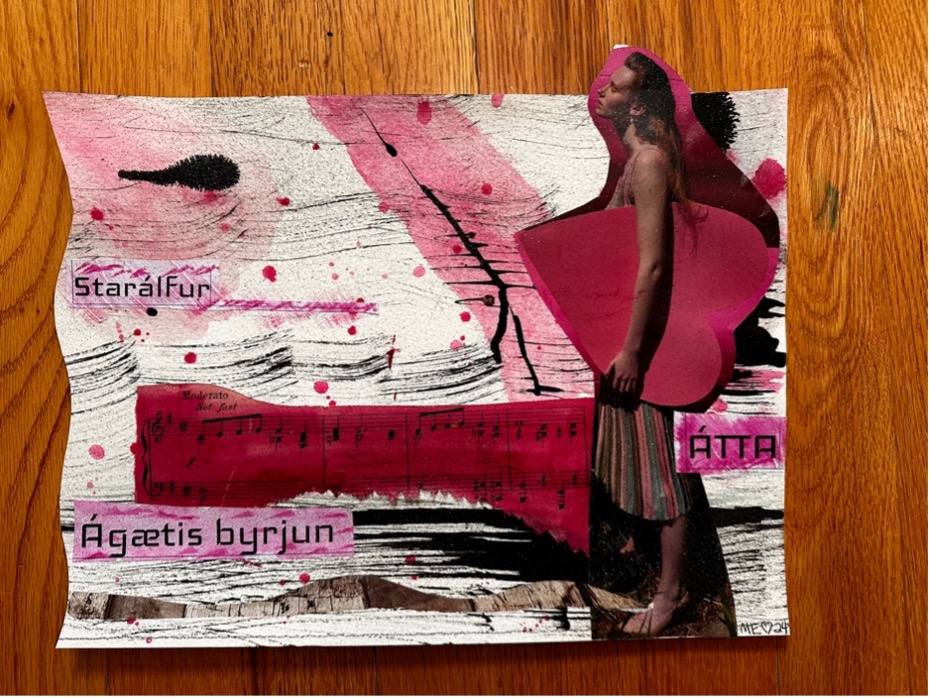
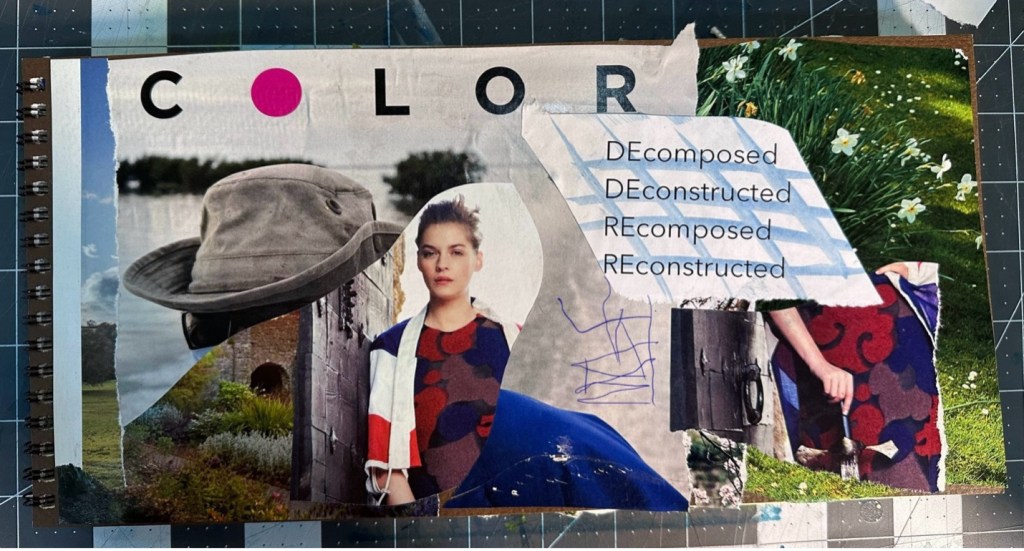
Melissa Evers, Victory Rose in person, 2024, Mixed Media collage.
My favorite artist from this movement is Cindy Sherman, she is still creating. Her work consists of photographs of her in dress up that is commentary on gender roles, norms, and the place in which a woman “belongs” or doesn’t.
Other highly regarded artists from the movement who continue to influence the 21st century art world include:
- Marina Abramovic
- Guerilla Girls
- Barbara Kruger
- Judy Chicago
- Faith Ringold
- Louise Bourgeois
- Carolee Schneemann
- Jenny Holzer
- Yayoi Kusama
Marina Abramovic is a Serbian performance artist who pushes the lines between “audience and performer”. She challenges the viewer to participate in and thoughtfully examine her work. Thousands stood in line for her work at the MOMA:
“Day after day, Marina Abramović sat motionless for eight hours in the Museum’s central atrium as members of the public took turns sitting across from her and gazing silently into her eyes. Could a simpler performance be imagined? It entailed nothing other than the artist’s presence, without action or words—and yet it was nothing short of a spectacle… The most mundane act of human contact had been turned, as if by magic, into an irresistible catalyst for emotion.”
We must thank these women who for making it a little easier for us now. We still hustle but have it a little bit easier. At least we can make the work we want to without worry of being invisible. We can look to these women artist’s bodies of work to see progress socially, politically, and economically because these ladies have famous works hanging on walls in major museums.
We’re going to hear more about Guerilla Girls and Barbara Kruger now, but go ahead and Google the rest of these women to learn more about their journeys, struggles, and triumphs.
The social impact
“ ‘Probably their most famous piece is a 1989 poster of a reclining nude woman wearing a gorilla mask, which asks: “Do women have to be naked to get into the Met Museum?” detailing that: “Less than 5% of the artists in the modern art section are women, but 85% of the nudes are female.’”
Guerilla Girls Quote, from the Guardian, 2020.
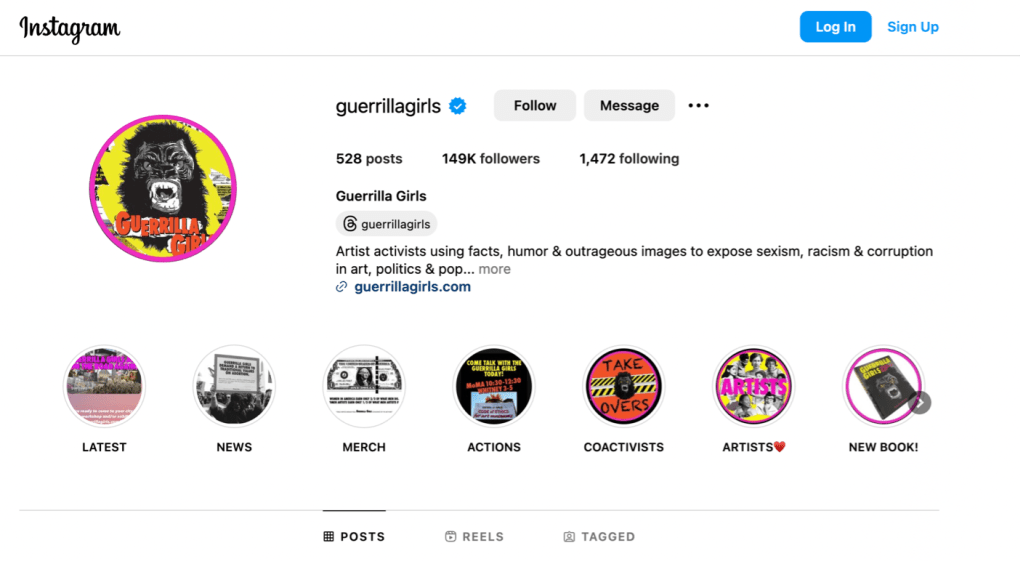
The Guerilla Girls recently made a new piece of art about Trump, directly after the 2024 US election. This is their response to the political turmoil and injustice around race, equality, and gender. So, the Feminist Movement is still going strong, and the social impact is still causing waves in the art world and beyond.
Barbara Kruger reacted to recent regressions in reproductive rights by creating a poster series. She was featured in The New York Times art section in 2022, and her posters were used to promote reproductive rights in the Women’s March alongside NARAL and Planned Parenthood.
Through the Feminist Art Movement: The Collaborative Spirit of Judy and Ferris, Rutgers University is a YouTube video by two professors from Rutgers University that illustrates the roles that women were “supposed to and did play” in the sixties and seventies. Professor Judith K. Brodsky and Dr. Ferris Olin pushed back against these presumptions and showed up as artists and women. I thought it was fascinating that Judith K. Brodsky didn’t identify as a “woman artist” or “feminist” but then found herself a better woman and artist because of the movement and other woman.
Their current forum The American Feminist Art Movement and its Impact on Contemporary Art | Women’s Art Collection, from June 2024 was informative and interesting to watch because it helps explain more about the movement and impact on Contemporary Art. As an artist I see these impacts but don’t always appreciate how much work, time, and heartache that went into pushing boundaries to get where we are.
The social impact of Feminist Art is still present and continues to influence the present and the future across all aspects of the arts. While women were (and still are) separate due to gender norms and roles, women like these have educated us, pushed the boundaries in universities and challenged social norms, trends, and conversations.
Critique
“Art-making, the very creation of beauty itself, was equated with the representation of the female nude. Here, the very notion of the originary power of the artist, his status as creator of unique and valuable objects, is founded on the discourse of gender difference as power.”
Linda Nochlin, Women, Art, and Power and Other Essays
In 2021 we reached the 50th Anniversary of Linda Nochlin’s famous essay “Why have there been no great women artists”. MOMA recognized this with a lecture panel. That this was held is significant, even more so that it happened during height of the COVID-19 pandemic, #MeToo, and Black Lives Matter. Nochlin’s work as an art historian laid the groundwork for the redefinition of the male dominated art world.
The Art Story states, Nochlin’s “essay critically examined the category of “greatness” (as it had largely been defined in male-dominated terms) and initiated the Feminist revision of art history that led to the inclusion of more women artists in art history books”. In 1976 Nochlin organized the “first international female-only exhibition “Women Artists: 1550-1950″”.
Carol Duncan is another art historian in the 1980’s who challenged the patriarchy in museums with her essay titled, The MOMA’s Hot Mama’s”. Another pioneer for women in the art’s because she encouraged “new art history” that included feminism and challenging the patriarchy in museums. Duncan is the author of several books and essay’s on these topics and has been instrumental in the changes in art as it relates to feminism.
These two examples show Nochlin and Duncan using their writings and knowledge of art history to change what the public sees on museum walls. Their juxtaposition of nude female subjects by (clothed) male artists exposes the static gender roles still present in art today. This stark visual contrast drives home the sad, dry, statistical state of curation in 2024.
Now & Future
-“The representation of the woman’s body and of female sexuality continues to be politically charged and to express the tension between personal and public identity. Today’s generation of women artists, like Kara Walker and Jennifer Linton, continue to speak directly about sexism and equality in their works”.
The Art Story
Contemporary female artists are embracing their voices and expressing their talent as they want to. Inequality and disparity still exist in the art world, but lucky for us many brave women spoke up and have cleared a path for us, and we can see a way ahead. Now and in the future women can proudly put their names on the art they create. Once limited to being the nude in the painting, now they can choose to paint the nude on the canvas (or not), even if the art world remains male dominated. We can choose our place, and that includes placing art on the museum wall.
As the events of the 21st century play out it is ever clearer that feminist issues need to be kept at the forefront of discourse and that feminist voices must be louder and more insistent. Art is a way for these voices to be heard. Gender, sexuality identity, and social issues must be at the center of these conversations. No one should forget that women have been fighting for equality since the beginning of time.
If you want to explore some differences in opinions about the importance of feminism in art, a good place to start would be “What’s wrong with feminist art”, you would do well to follow the advice of Leah M. Mariani:
“[…] the customary feminist art rhetoric must adapt to newer ways of communication, as our culture has changed significantly since the late 20th century”.
Leah M. Mariani, What’s wrong with feminist art?
Until next time on @glasscanvasblog!
Instagram – @heartmailstudios
See you in a few weeks- M.E.
 Heartmail Studios
wow! Really appreciate the research that went into this article. Can’t wait to read more in the future. Thanks for bringing this issues into the present day landscape of our modern day art discussion.
LikeLike